


Reducing operational costs remains a top priority for modern facility managers and property owners. Heating and cooling often account for the largest portion of a building's energy consumption. Therefore, choosing a high-performance commercial air source heat pump has become a strategic financial decision. DC inverter technology offers a revolutionary way to manage indoor climates more efficiently. Unlike traditional fixed-speed systems, these units adapt their output to match real-time demand. This flexibility ensures maximum comfort while slashing monthly utility bills significantly. This comprehensive guide explores the essential factors of purchasing a DC inverter system. We will help you navigate the technical specifications to find the perfect HVAC solution.
Understanding the Power of DC Inverter Technology
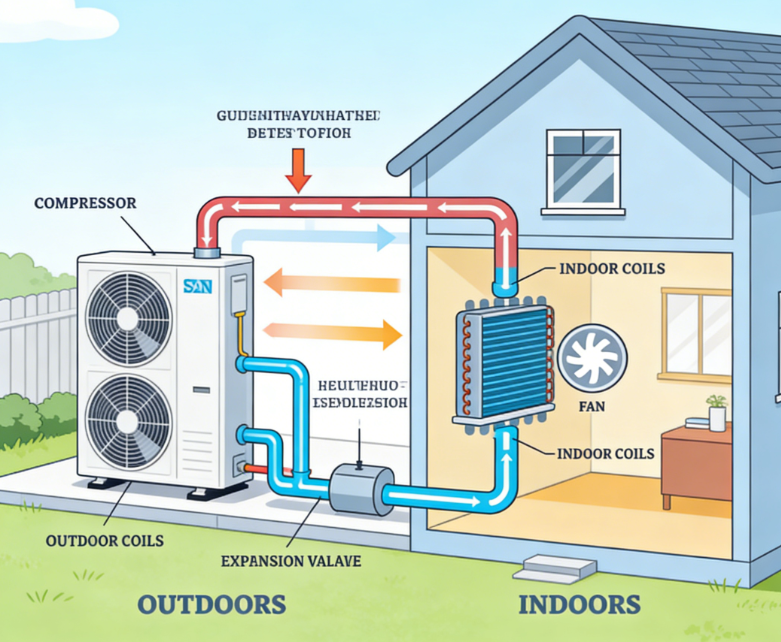
To make an informed purchase, you must understand how DC inverter systems differ from standard models. This technology represents the cutting edge of thermodynamics and electrical engineering.
The Efficiency of Variable Speed
A standard heat pump operates like a simple light switch. It is either completely on or completely off. In contrast, a DC inverter system functions like a dimmer switch. The compressor changes its speed based on the temperature requirements of the building. Consequently, the system avoids the energy spikes associated with frequent starting and stopping.
Enhanced Comfort Levels
Variable speed allows the unit to maintain a very stable indoor temperature. You will not experience the annoying cold drafts or hot spots common with older systems. This stability creates a much better environment for employees, clients, and sensitive equipment.
Why Choose a Commercial Air Source Heat Pump?
Scaling up to commercial requirements demands robust hardware and intelligent control systems. A commercial air source heat pump provides several unique advantages for large-scale applications.
Significant Energy Savings: Inverter models can reduce electricity usage by up to 30% or more.
Low Maintenance Costs: Smoother operation puts less physical stress on the compressor and moving parts.
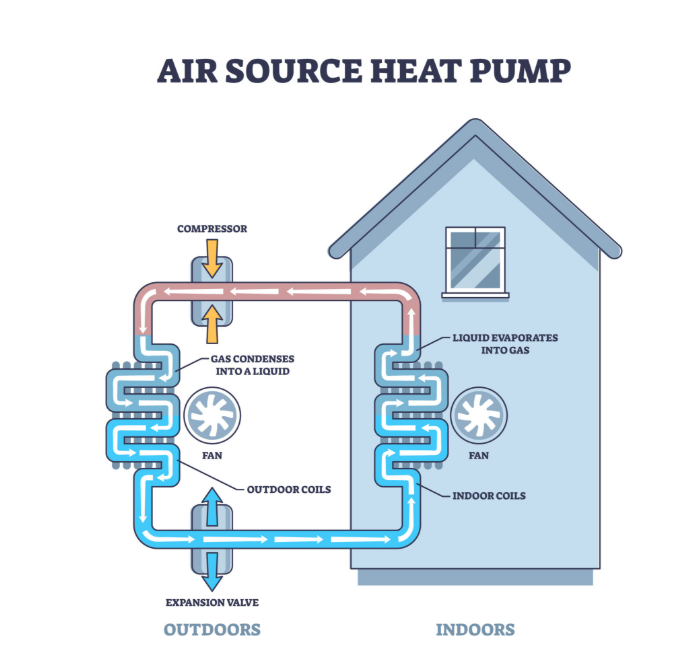
Environmentally Friendly: These systems utilize heat from the ambient air, reducing carbon emissions greatly.
Wide Operating Range: Modern units function efficiently even in extremely cold or hot climates.
Quiet Operation: Intelligent noise reduction makes these units ideal for noise-sensitive urban areas.
These benefits directly support your company's sustainability goals and financial health. Investing in quality hardware today prevents expensive repairs and high energy waste tomorrow.
Key Technical Specifications to Evaluate
You should analyze specific metrics to ensure the machine meets your building's unique load requirements. Do not rely on brand names alone when comparing different models.
Coefficient of Performance (COP) and SCOP
The COP measures how much heat a unit produces for every kilowatt of electricity used. Look for a high Seasonal Coefficient of Performance (SCOP) for long-term efficiency. High SCOP ratings indicate the system performs well across varying weather conditions throughout the year.
Heating and Cooling Capacity
Ensure the unit provides enough British Thermal Units (BTUs) or kilowatts for your total square footage. An undersized unit will run constantly and fail prematurely. Conversely, an oversized unit will cycle too frequently and waste energy.
Proven Manufacturing Expertise
Always choose a manufacturer with a long history of industrial HVAC production. Experience in the field ensures that the unit has undergone rigorous real-world testing. Expert engineering leads to better internal component layouts and superior heat exchanger designs.
Authoritative Certifications
Check for international certifications like CE, Eurovent, or local energy star ratings. These labels serve as independent proof of the manufacturer's performance claims. Trustworthy brands provide transparent data sheets and detailed installation manuals for their products.
Critical Features for Commercial Installations
Commercial buildings often have complex layouts that require specialized features. Ensure your chosen commercial air source heat pump includes these modern necessities.
Modular Design: Connect multiple units together to scale your capacity as the business grows.
Intelligent Defrosting: Advanced sensors prevent ice buildup on the coils during freezing winter nights.
BMS Integration: Ensure the pump communicates with your Building Management System via Modbus or Bacnet.
Remote Monitoring: Access performance data and error codes through a smartphone app or web portal.
Remote access allows your maintenance team to identify issues before they become major failures. This proactive approach keeps your building operational at all times.
Environmental Impact and ESG Goals
Sustainability has moved from a trend to a core business requirement. A commercial air source heat pump aligns perfectly with Environmental, Social, and Governance (ESG) targets.
By switching from gas boilers to electric heat pumps, you eliminate onsite combustion. This change drastically reduces the direct carbon footprint of your facility. Furthermore, many regions offer generous tax incentives or grants for installing green technology. These financial "boosts" shorten your payback period and improve your overall project ROI.
Common Buying Mistakes to Avoid
Avoid these frequent errors to protect your capital investment and ensure system longevity.
Ignoring the Total Cost of Ownership
The cheapest unit often ends up being the most expensive over ten years. Always calculate the combined cost of the purchase, installation, and expected energy usage. High-efficiency inverter models usually pay for their price difference within a few years.
Neglecting Sound Levels
Commercial units can be quite loud if they lack proper acoustic insulation. Check the decibel (dB) ratings if you plan to install the unit near windows or neighbors. Many high-end models feature specialized fan blades to reduce air turbulence noise.
Choosing the Wrong Installer
A perfect machine will fail if the installation is poor. Only hire contractors with specific experience in DC inverter technology. Proper refrigerant charging and pipe insulation are vital for maintaining factory-rated efficiency levels.
Maintenance: Protecting Your Commercial Asset
Long-term reliability depends on a consistent and professional maintenance schedule. A well-maintained commercial air source heat pump can last for 15 to 20 years.
Annual Inspections: Check refrigerant levels and electrical connections once per year.
Cleaning Coils: Remove dust and debris from the external fins to maintain airflow.
Filter Replacements: Change internal filters to ensure high indoor air quality for occupants.
Software Updates: Keep the control system updated to benefit from the latest efficiency algorithms.
Consistent care ensures the system operates at its peak COP throughout its entire lifespan. It also prevents small issues from turning into catastrophic compressor failures.
Making the Smart Investment
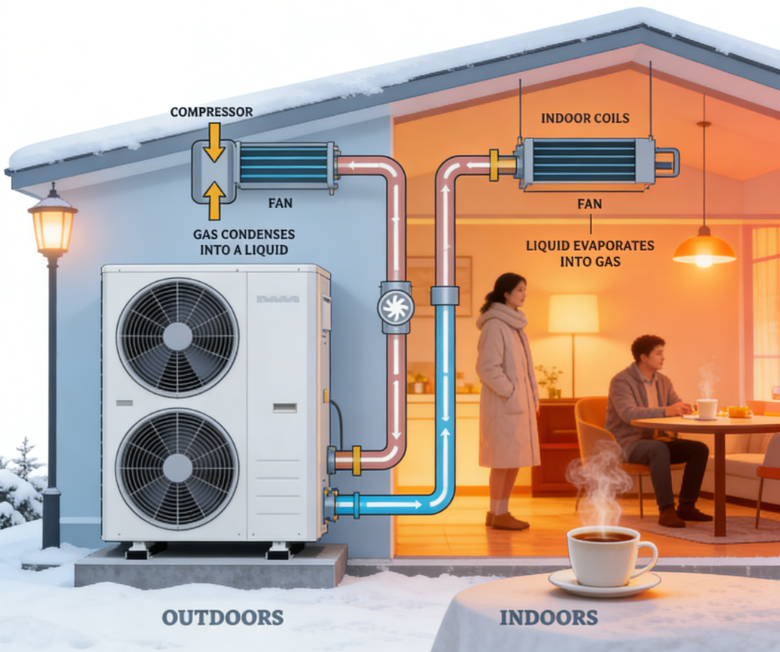
Buying a DC inverter commercial air source heat pump is a major step toward a modern facility. You will enjoy lower energy bills, better comfort, and a smaller carbon footprint. Focus on high SCOP ratings, modular flexibility, and a manufacturer with proven expertise. By following this guide, you ensure your building stays comfortable and efficient for decades.